cycling

Autoimmune Conditions in Triathlon

Stronger Than Your Diagnosis: Training and Thriving with an Autoimmune Condition

Living with an autoimmune condition doesn't mean giving up on your sporting goals. It means learning to train differently, listen to your body and redefine what progress looks like.
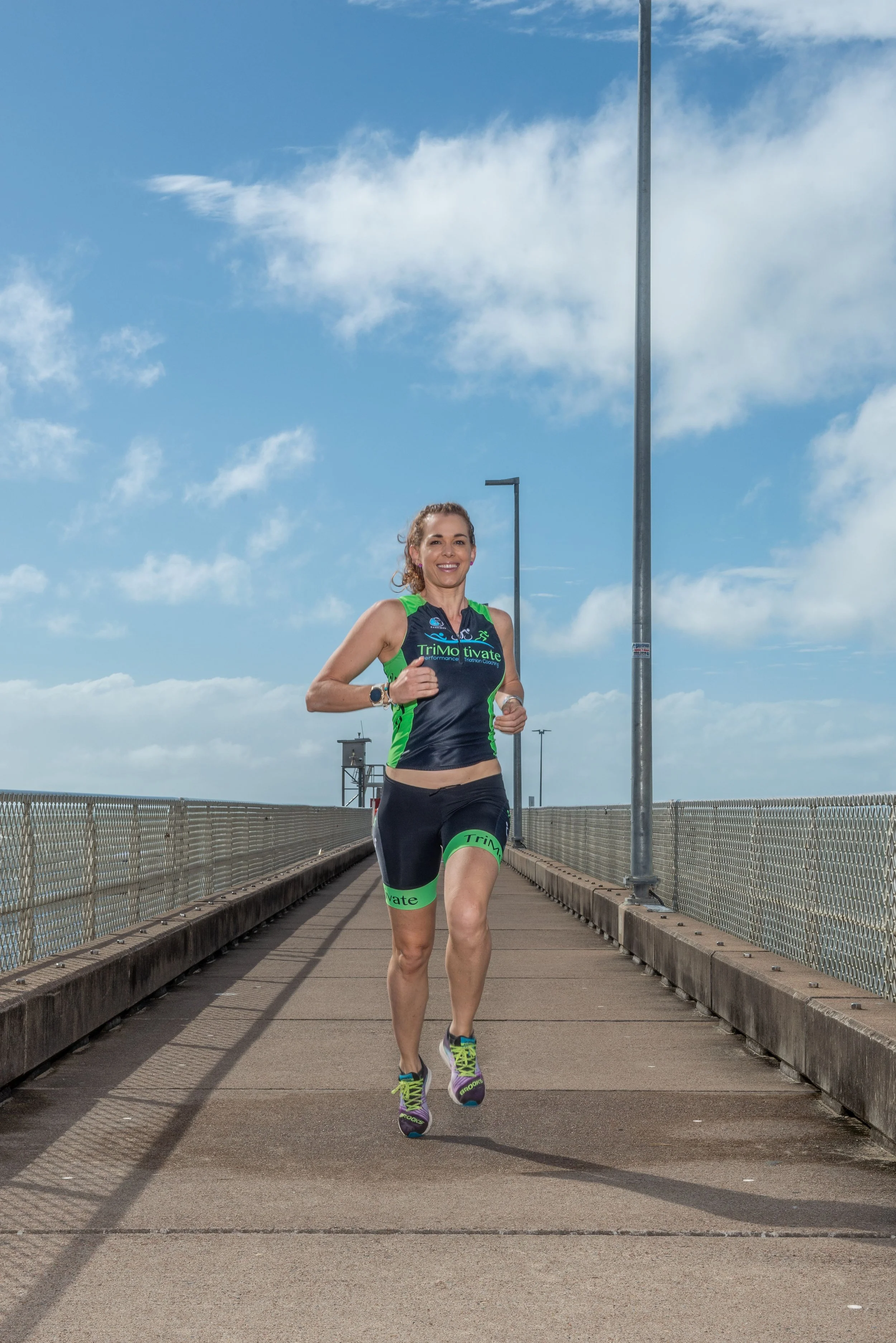
Renee Ker Triathlon Coach

I Understand Because I've Been There

As a triathlon and endurance coach, I've always believed in the power of movement, consistency and the incredible things our bodies can achieve. But living with an autoimmune condition for over eight years has taught me something that no coaching textbook ever could.

Sometimes, the strongest thing you can do as an athlete is slow down.

I've experienced the frustration of waking up exhausted despite a full night's sleep, the unpredictability of flare-ups, and the disappointment of having a great training week followed by days when even the simplest activities feel overwhelming.

I know what it's like to want to train but have a body that simply isn't cooperating.

Over the years, I've had to learn how to adapt my own training, recognise the early signs of fatigue, manage my energy levels and, perhaps most importantly, let go of the idea that every session needs to be hard to be worthwhile.

And these experiences have made me a better coach.

Through TriMotivate Performance Coaching, I've had the privilege of coaching athletes living with autoimmune conditions, including Rheumatoid arthritis, lupus, Hashimoto's disease and Graves' disease, helping them achieve exceptional results while working with their bodies rather than constantly fighting against them.

What I've learnt is that an autoimmune diagnosis doesn't necessarily need to define your athletic future.

It simply means we need to approach training a little differently.

You can find out more with my programs online. I coach athletes worldwide! From $59 AUD per week
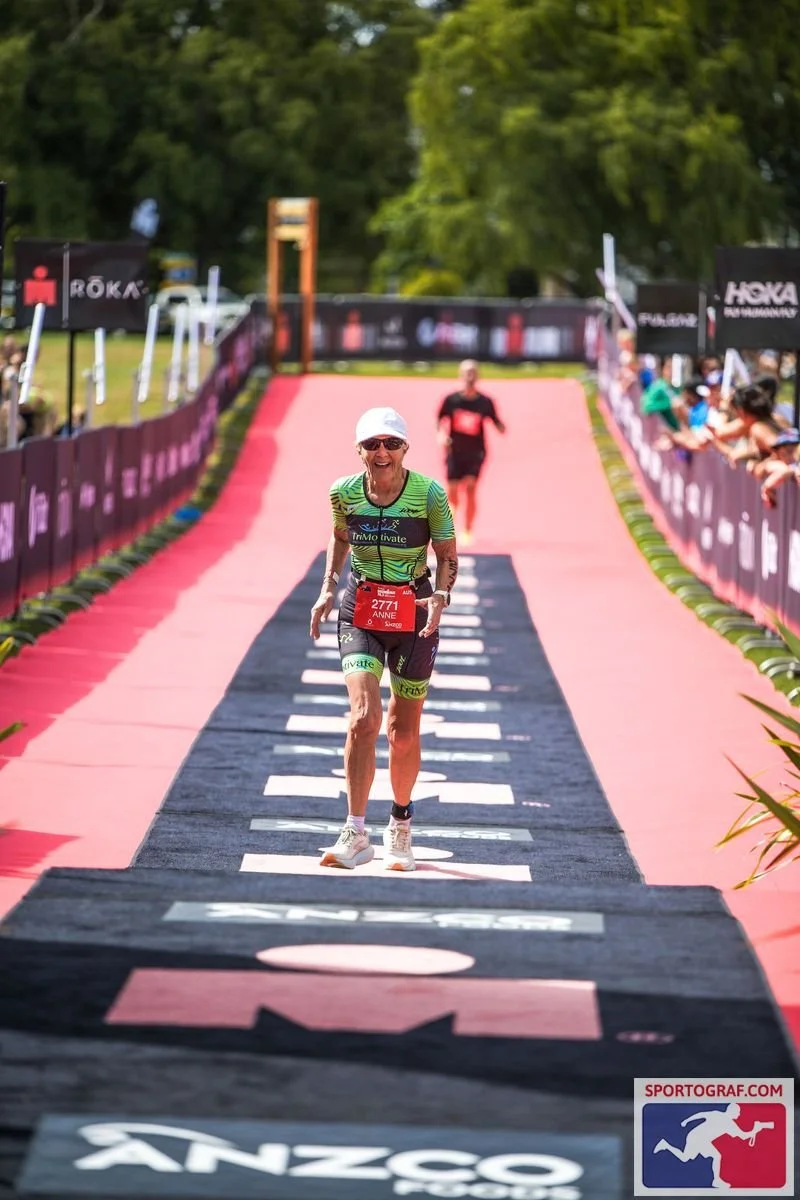
Ironman Finisher

The Power of Low-Intensity Training

One of the biggest misconceptions in endurance sport is that harder training automatically produces better results.

It doesn't.

For athletes managing autoimmune conditions, low-intensity training can be an incredibly valuable tool for building endurance, maintaining fitness and supporting sustainable progress without placing unnecessary additional stress on the body.

Low-intensity training might include:

  • Easy swimming at a relaxed, controlled pace.

  • Cycling in a comfortable aerobic heart-rate zone.

  • Easy running or run/walk sessions.

  • Gentle strength and mobility work.

  • Shorter sessions with additional recovery between training days.

A simple way to judge intensity is the talk test. During an easy aerobic session, you should generally be able to hold a comfortable conversation without struggling to catch your breath.

For many athletes, this approach forms the foundation of a successful endurance training program.

And here's the exciting part.

You don't need to finish every training session exhausted to become a stronger athlete.

Consistent, manageable training can produce meaningful improvements in endurance, confidence and performance over time.

For athletes managing chronic fatigue or autoimmune symptoms, the right amount of training is not necessarily what you can complete today, but what you can recover from and sustain.

You can find out more with my programs online. I coach athletes worldwide! From $59 AUD per week

Fatigue Isn't Laziness — It's Information

If you live with an autoimmune condition, you probably understand that fatigue isn't always the same as being tired after a busy day.

Sometimes it's overwhelming. Sometimes it appears without warning. And sometimes it can take days to recover.

As athletes, we're often conditioned to push through discomfort. While determination is a wonderful quality, recognising when the body genuinely needs recovery is equally important.

One of the most valuable lessons I've learnt is to stop seeing rest as a failure.

Rest is part of training. Recovery is part of performance.

When I'm coaching athletes managing autoimmune conditions, I look beyond the numbers on their watch or their TrainingPeaks schedule.

We talk about sleep, energy levels, symptoms, stress, recovery and how their body is responding to training.

Sometimes a planned 60-minute run becomes a gentle 30-minute walk.

Sometimes a hard cycling session becomes an easy spin.

And sometimes the best session is no session at all.

That's not falling behind. That's making an informed decision that supports your long-term goals.

Managing Flare-Ups Without Losing Motivation

One of the most challenging aspects of autoimmune conditions is unpredictability.

You can be feeling fantastic one week, training consistently and building confidence, only to experience a flare-up that changes everything.

I've been there, and I know how frustrating it can be.

But a flare-up doesn't erase the work you've already done.

It simply means the plan needs to change.

My approach to managing training around flare-ups includes:

1. Recognise your warning signs. Learn what increased fatigue, unusual soreness, poor sleep or changes in your normal symptoms mean for your body. Early recognition can help guide decisions about training and when to seek medical advice.

2. Adapt rather than force the session. Training should be flexible. Reduce intensity, shorten sessions or take complete rest when necessary. During an active flare, medical advice should guide whether exercise is appropriate.

3. Prioritise recovery. Sleep, nutrition, hydration, stress management and adequate rest all play important roles in supporting wellbeing and recovery.

4. Return gradually. Once symptoms have settled and you're medically ready, ease back into training rather than trying to make up missed sessions.

5. Celebrate the small wins. Some weeks success is completing a long ride. Other weeks it's managing a short walk without worsening your symptoms. Both deserve recognition.

The goal isn't to eliminate every setback. It's to build a sustainable approach that allows you to keep moving forward when your health permits.

Your Training Plan Should Work Around Your Life — Not the Other Way Around

One of the things I love most about coaching is helping athletes realise they don't have to follow a traditional training program to achieve meaningful results.

Everyone responds differently to exercise, recovery and fatigue. This is particularly true when managing an autoimmune condition.

For some athletes, we might focus on building a strong aerobic foundation with shorter, more frequent sessions.

For others, we might incorporate extra rest days, modify training intensity or carefully introduce higher-intensity sessions when their health is stable and their recovery supports it.

There's no single formula.

And that's where individualised coaching becomes so valuable.

Having a coach who understands the difference between an athlete needing motivation and an athlete genuinely needing recovery can make an enormous difference.

I don't believe in pushing athletes through illness to prove they're tough. I believe in helping them become stronger through intelligent, adaptable training.

Exceptional Results Are Still Possible

Some of the most rewarding moments in my coaching career have come from working with athletes who thought their diagnosis might mean the end of their sporting ambitions.

I've coached athletes living with lupus, Hashimoto's and Graves' disease who have achieved exceptional personal results.

Not because we ignored their health conditions.

But because we respected them.

We adapted training when necessary, built consistency when possible, and focused on what each athlete could achieve rather than what they couldn't.

And along the way, something else happened.

Confidence grew.

Athletes began trusting their bodies again.

They learnt that missing a session wasn't a disaster and that progress could happen without constantly pushing themselves to exhaustion.

For me, those achievements are every bit as important as a finish-line time or personal best.

You Are More Than Your Diagnosis

If there's one message I'd love you to take away, it's this:

Having an autoimmune condition doesn't make you any less of an athlete.

You might need more recovery than someone else.

You might have weeks when training looks completely different from what you planned.

You might need to adjust your goals along the way.

But none of that takes away your determination, your ability or your achievements.

After more than eight years of navigating my own autoimmune condition, I've learnt that resilience isn't always about pushing harder.

Sometimes it's about being patient, adapting your expectations and finding a way forward that works for your body.

And as a coach, that's exactly what I want to help others achieve.

Let's Work Together — Coaching That Understands Your Challenges

If you're living with an autoimmune condition and want to start exercising, return to training or work towards an endurance event, I'd love to help.

Through TriMotivate Performance Coaching, I offer individualised endurance and triathlon coaching that considers your fitness, goals, lifestyle, health and recovery needs.

Whether you're preparing for your first triathlon, looking to improve your swimming, cycling or running, or simply wanting to rebuild confidence in your ability to exercise, we can work together to create a realistic and adaptable plan.

My approach combines professional coaching experience with something equally important — a genuine understanding of what it's like to train while managing a chronic health condition.

Together, we can focus on sustainable progress, smarter training and celebrating every achievement along the way.

Your goals still matter. Your health matters too. And you deserve a coach who understands both.

Get in touch with TriMotivate Performance Coaching and let's talk about how we can work towards your goals, at a pace that works for you.

Because being a successful athlete isn't about training harder than everyone else. It's about finding the right way to keep moving forward.

Health note: Autoimmune conditions vary considerably, and exercise needs can change with disease activity, medication and symptoms. Training should complement, not replace, medical care. Seek advice from your treating healthcare professional before starting or increasing training, particularly during flare-ups or when symptoms are not well controlled.

You can find out more with my programs online. I coach athletes worldwide! From $59 AUD per week

What is the difference between Road Bike Gearing? what's the best?

Understanding Road Bike Gearing: Shimano 105, Ultegra, Dura-Ace, and Di2

When you're considering buying a road bike or upgrading your current one, one of the most important decisions revolves around the gearing system. Road bike gears influence your performance, comfort, and overall cycling experience. Among the most popular groupsets (gearing systems) on the market, Shimano’s 105, Ultegra, Dura-Ace, and Di2 lines are widely discussed. But what are the differences between these options, and which one is right for you?

Let’s dive into the specifics of each groupset, their features, and how they compare to one another.

1. Shimano 105: The Budget-Friendly Workhorse

Shimano 105 is often considered the entry point for serious road cycling performance. It’s a great choice for riders who want solid performance without breaking the bank. Here’s why 105 stands out:

  • Price: Shimano 105 is the most affordable of the major Shimano road groupsets, offering great value for money.

  • Components: The components are made with high-quality materials, but they aren’t as light or as advanced as Ultegra or Dura-Ace. However, for most riders, this is more than enough.

  • Performance: You’ll still get precise and smooth shifting, especially for riders who focus on recreational cycling, long-distance rides, or even competitive racing at the amateur level.

  • Weight: Slightly heavier than Ultegra and Dura-Ace, but this tradeoff doesn’t make a significant difference in day-to-day riding for most cyclists.

Who is it for?

  • If you’re a recreational cyclist, or you’re getting into road biking but don’t want to spend a fortune on high-end components, Shimano 105 offers great reliability and performance for the price.

2. Shimano Ultegra: The Balanced Performer

Shimano Ultegra offers a step up from 105 in terms of weight, performance, and technology. It's one of the most popular choices among competitive riders and enthusiasts alike. Here's what you need to know:

  • Price: Ultegra is more expensive than 105 but still more affordable than Dura-Ace.

  • Components: Ultegra uses lighter materials, such as aluminum and carbon fiber, which helps to reduce weight without sacrificing durability. It also features more refined shifting technology.

  • Performance: The shifting action is smoother and faster than 105, and the braking performance, whether disc or rim, is more responsive. Ultegra can handle the rigors of racing but is also versatile enough for longer, more casual rides.

  • Weight: While it’s lighter than 105, it still doesn’t quite match the ultra-lightweight Dura-Ace. However, the difference in weight might not be noticeable unless you’re a competitive racer.

Who is it for?

  • Ultegra is perfect for serious cyclists who race or go on long endurance rides but don’t want to spend the high price of Dura-Ace. It's the sweet spot for performance, weight, and cost.

3. Shimano Dura-Ace: The Pro-Level Gearing

Shimano Dura-Ace is the gold standard of road bike groupsets. It’s designed for professional-level cyclists, offering unparalleled performance, precision, and weight savings.

  • Price: As expected, Dura-Ace is the most expensive of Shimano's road bike groupsets.

  • Components: Dura-Ace is made with the lightest and most durable materials, including titanium and carbon. Every component is designed for maximum performance.

  • Performance: The shifting is incredibly fast and precise, with minimal effort needed to change gears. The braking power is equally impressive, especially with the disc brake version.

  • Weight: Dura-Ace is one of the lightest groupsets on the market, which makes it perfect for racers looking to shave every gram off their bike. Every ounce of weight is meticulously optimized for high performance.

Who is it for?

  • Dura-Ace is for competitive cyclists or anyone who demands the absolute best in terms of gear performance. If you’re racing professionally or just want the top-of-the-line tech, Dura-Ace is the way to go.

4. Shimano Di2: The Digital Revolution

Shimano Di2 isn’t a separate groupset per se; rather, it's a digital version of the above groupsets. Available in 105, Ultegra, and Dura-Ace versions, Di2 introduces electronic shifting, taking the traditional mechanical system and transforming it into a highly sophisticated digital setup.

  • Price: Di2 is the most expensive option, mainly due to the electronic components and technology involved. It’s available in all three groupset tiers (105, Ultegra, Dura-Ace), but it significantly raises the cost.

  • Components: Di2 integrates electronic shifters, derailleurs, and battery-operated components that replace traditional mechanical cables. This means shifts are quicker and require less effort from the rider.

  • Performance: Electronic shifting is incredibly precise and fast. With Di2, you get instantaneous shifts, even under load. The system also requires less maintenance since it doesn’t rely on cables that stretch over time.

  • Battery: Di2 is powered by a rechargeable battery, which lasts for a long time but needs to be recharged occasionally. The battery life is impressive, and most riders won’t have to worry about frequent recharging.

  • Weight: While Di2 is generally lighter than traditional mechanical systems (due to fewer cables), it’s heavier than mechanical Dura-Ace due to the added electronics.

Who is it for?

  • Di2 is perfect for those who want the ultimate in convenience and precision. It’s especially valuable for riders who prioritize technology and are willing to invest in a smoother, more effortless ride. Di2 is ideal for competitive cyclists, tech enthusiasts, or anyone looking to take their riding experience to the next level.

Which Should You Choose?

The best gearing system for you depends on your needs, budget, and riding style:

  • Shimano 105: Ideal for budget-conscious riders or beginners who want reliable performance without breaking the bank.

  • Shimano Ultegra: A great option for serious riders who want a performance boost without jumping to the elite level.

  • Shimano Dura-Ace: The best choice for competitive cyclists or anyone seeking the pinnacle of bike gear performance.

  • Shimano Di2: Perfect for riders who value cutting-edge technology and want seamless, effortless shifting.

Ultimately, the “best” groupset is the one that fits your needs and riding style. Whether you’re a casual rider, competitive racer, or someone in between, Shimano offers something for everyone, from entry-level to professional-level performance.

Happy cycling!

What is an FTP in Cycling and Triathlon?

WHAT IS AN FTP IN TRIATHLON AND CYCLING

FTP testing, what does it mean?

Unlocking Athletic Excellence: What is an FTP in Cycling and Triathlon?

In the realm of cycling and endurance triathlon sports, where the pursuit of excellence knows no bounds, athletes immerse themselves in a world where every watt, every pedal stroke, and every heartbeat matters. Amidst this relentless quest for perfection, one acronym reigns supreme: FTP, or Functional Threshold Power. For cyclists and triathletes alike, FTP isn't just another metric—it's the cornerstone of their training regimen, the compass guiding them towards peak performance on the road and in the water.

why work with ftp in cycling?

FTP stands as the pinnacle of an athlete's power output— a benchmark to their physical prowess and endurance capabilities. In a nutshell FTP represents the maximum sustainable power a cyclist or triathlete can maintain over an extended duration without succumbing to fatigue. Through rigorous testing protocols and precise data analysis, athletes ascertain their FTP, paving the way for targeted training strategies and strategic race execution.

Cycling: Where FTP Reigns Supreme

In the dynamic arena of cycling, FTP remains supreme for data for any athlete with a power meter or smart trainer and takes president over other data in most instance on almost every aspect of an athlete's journey:

WHY WORKING WITH FTP MEANS TRAINING PRESICION

Ever worked with heart rate in cycling but then turned around and hit a massive headwind and now your unsure of what to do with the data? Stick to the heart rate prescribed and blow yourself up, or ride to easily with the wind behind you can be disastrous on race day. FTP helps coaches guide cyclists and triathletes through the labyrinth of training protocols and workout intensities. By delineating distinct training zones based on a percentage of their FTP, coaches will develop tailor made workouts to elicit specific physiological adaptations, whether it's bolstering aerobic endurance or honing anaerobic capacity.

Performance Benchmarking: For cyclists, FTP isn't just a number—it's a number to benchmark progress, in which athletes and their coaches measure their fitness gains and performance improvements. Tracking changes in FTP over time empowers cyclists to fine-tune their training programs, optimise their race-day strategies, and pursue excellence with unwavering determination.

Tactical Race Pacing: During cycling and triathlon competitions, FTP knowledge empowers cyclists and triathletes to orchestrate their efforts with surgical precision, modulating their power output to match the demands of the terrain and the dynamics of the peloton or race. Armed with an intimate understanding of their sustainable power threshold, cyclists and triathletes navigate the racecourse with confidence, conserving energy for decisive moments and surging ahead. Especially important when racing in ironman or long course endurance cycling events.

I work with my athletes to understand what FTP an athletes should be racing at as every athlete is different. Some athletes can race at a higher FTP that others given their body make up, athletic history and abilities.

FTP testing

How to get the most out of your FTP when racing?

Triathlon: Integrating FTP for Multisport Mastery.

For coaching support and programming to guide you through your FTP testing. Please contact TriMotivate Performance Triathlon Coaching

Renee Ker - Accredited Performance Triathlon Coach, Cycling Track and Skills Coach and Accredited Ironman Coach