
Stronger Than Your Diagnosis: Training and Thriving with an Autoimmune Condition
Living with an autoimmune condition doesn't mean giving up on your sporting goals. It means learning to train differently, listen to your body and redefine what progress looks like.
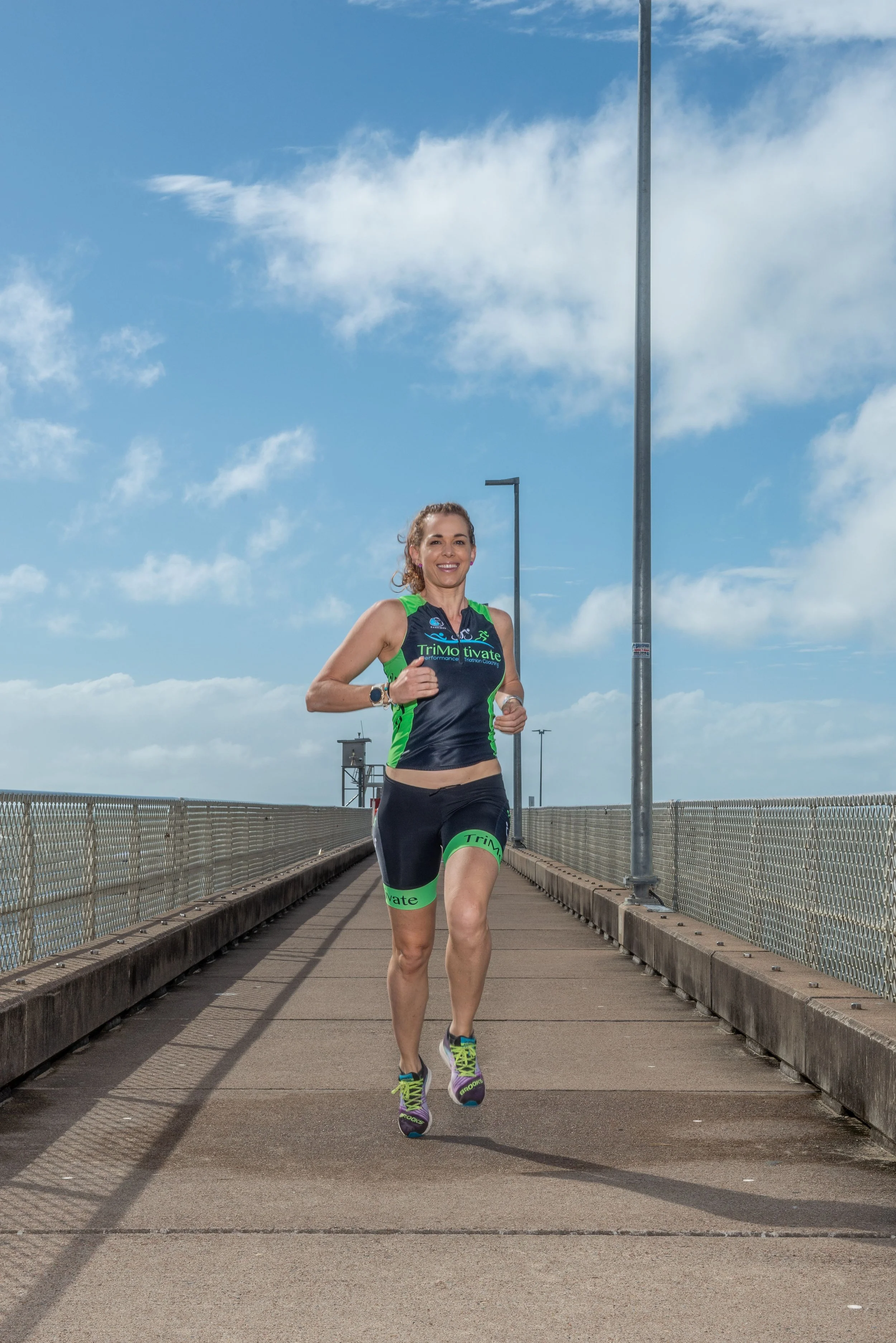
I Understand Because I've Been There
As a triathlon and endurance coach, I've always believed in the power of movement, consistency and the incredible things our bodies can achieve. But living with an autoimmune condition for over eight years has taught me something that no coaching textbook ever could.
Sometimes, the strongest thing you can do as an athlete is slow down.
I've experienced the frustration of waking up exhausted despite a full night's sleep, the unpredictability of flare-ups, and the disappointment of having a great training week followed by days when even the simplest activities feel overwhelming.
I know what it's like to want to train but have a body that simply isn't cooperating.
Over the years, I've had to learn how to adapt my own training, recognise the early signs of fatigue, manage my energy levels and, perhaps most importantly, let go of the idea that every session needs to be hard to be worthwhile.
And these experiences have made me a better coach.
Through TriMotivate Performance Coaching, I've had the privilege of coaching athletes living with autoimmune conditions, including Rheumatoid arthritis, lupus, Hashimoto's disease and Graves' disease, helping them achieve exceptional results while working with their bodies rather than constantly fighting against them.
What I've learnt is that an autoimmune diagnosis doesn't necessarily need to define your athletic future.
It simply means we need to approach training a little differently.
You can find out more with my programs online. I coach athletes worldwide! From $59 AUD per week
The Power of Low-Intensity Training
One of the biggest misconceptions in endurance sport is that harder training automatically produces better results.
It doesn't.
For athletes managing autoimmune conditions, low-intensity training can be an incredibly valuable tool for building endurance, maintaining fitness and supporting sustainable progress without placing unnecessary additional stress on the body.
Low-intensity training might include:
Easy swimming at a relaxed, controlled pace.
Cycling in a comfortable aerobic heart-rate zone.
Easy running or run/walk sessions.
Gentle strength and mobility work.
Shorter sessions with additional recovery between training days.
A simple way to judge intensity is the talk test. During an easy aerobic session, you should generally be able to hold a comfortable conversation without struggling to catch your breath.
For many athletes, this approach forms the foundation of a successful endurance training program.
And here's the exciting part.
You don't need to finish every training session exhausted to become a stronger athlete.
Consistent, manageable training can produce meaningful improvements in endurance, confidence and performance over time.
For athletes managing chronic fatigue or autoimmune symptoms, the right amount of training is not necessarily what you can complete today, but what you can recover from and sustain.
You can find out more with my programs online. I coach athletes worldwide! From $59 AUD per week
Fatigue Isn't Laziness — It's Information
If you live with an autoimmune condition, you probably understand that fatigue isn't always the same as being tired after a busy day.
Sometimes it's overwhelming. Sometimes it appears without warning. And sometimes it can take days to recover.
As athletes, we're often conditioned to push through discomfort. While determination is a wonderful quality, recognising when the body genuinely needs recovery is equally important.
One of the most valuable lessons I've learnt is to stop seeing rest as a failure.
Rest is part of training. Recovery is part of performance.
When I'm coaching athletes managing autoimmune conditions, I look beyond the numbers on their watch or their TrainingPeaks schedule.
We talk about sleep, energy levels, symptoms, stress, recovery and how their body is responding to training.
Sometimes a planned 60-minute run becomes a gentle 30-minute walk.
Sometimes a hard cycling session becomes an easy spin.
And sometimes the best session is no session at all.
That's not falling behind. That's making an informed decision that supports your long-term goals.
Managing Flare-Ups Without Losing Motivation
One of the most challenging aspects of autoimmune conditions is unpredictability.
You can be feeling fantastic one week, training consistently and building confidence, only to experience a flare-up that changes everything.
I've been there, and I know how frustrating it can be.
But a flare-up doesn't erase the work you've already done.
It simply means the plan needs to change.
My approach to managing training around flare-ups includes:
1. Recognise your warning signs. Learn what increased fatigue, unusual soreness, poor sleep or changes in your normal symptoms mean for your body. Early recognition can help guide decisions about training and when to seek medical advice.
2. Adapt rather than force the session. Training should be flexible. Reduce intensity, shorten sessions or take complete rest when necessary. During an active flare, medical advice should guide whether exercise is appropriate.
3. Prioritise recovery. Sleep, nutrition, hydration, stress management and adequate rest all play important roles in supporting wellbeing and recovery.
4. Return gradually. Once symptoms have settled and you're medically ready, ease back into training rather than trying to make up missed sessions.
5. Celebrate the small wins. Some weeks success is completing a long ride. Other weeks it's managing a short walk without worsening your symptoms. Both deserve recognition.
The goal isn't to eliminate every setback. It's to build a sustainable approach that allows you to keep moving forward when your health permits.
Your Training Plan Should Work Around Your Life — Not the Other Way Around
One of the things I love most about coaching is helping athletes realise they don't have to follow a traditional training program to achieve meaningful results.
Everyone responds differently to exercise, recovery and fatigue. This is particularly true when managing an autoimmune condition.
For some athletes, we might focus on building a strong aerobic foundation with shorter, more frequent sessions.
For others, we might incorporate extra rest days, modify training intensity or carefully introduce higher-intensity sessions when their health is stable and their recovery supports it.
There's no single formula.
And that's where individualised coaching becomes so valuable.
Having a coach who understands the difference between an athlete needing motivation and an athlete genuinely needing recovery can make an enormous difference.
I don't believe in pushing athletes through illness to prove they're tough. I believe in helping them become stronger through intelligent, adaptable training.
Exceptional Results Are Still Possible
Some of the most rewarding moments in my coaching career have come from working with athletes who thought their diagnosis might mean the end of their sporting ambitions.
I've coached athletes living with lupus, Hashimoto's and Graves' disease who have achieved exceptional personal results.
Not because we ignored their health conditions.
But because we respected them.
We adapted training when necessary, built consistency when possible, and focused on what each athlete could achieve rather than what they couldn't.
And along the way, something else happened.
Confidence grew.
Athletes began trusting their bodies again.
They learnt that missing a session wasn't a disaster and that progress could happen without constantly pushing themselves to exhaustion.
For me, those achievements are every bit as important as a finish-line time or personal best.
You Are More Than Your Diagnosis
If there's one message I'd love you to take away, it's this:
Having an autoimmune condition doesn't make you any less of an athlete.
You might need more recovery than someone else.
You might have weeks when training looks completely different from what you planned.
You might need to adjust your goals along the way.
But none of that takes away your determination, your ability or your achievements.
After more than eight years of navigating my own autoimmune condition, I've learnt that resilience isn't always about pushing harder.
Sometimes it's about being patient, adapting your expectations and finding a way forward that works for your body.
And as a coach, that's exactly what I want to help others achieve.
Let's Work Together — Coaching That Understands Your Challenges
If you're living with an autoimmune condition and want to start exercising, return to training or work towards an endurance event, I'd love to help.
Through TriMotivate Performance Coaching, I offer individualised endurance and triathlon coaching that considers your fitness, goals, lifestyle, health and recovery needs.
Whether you're preparing for your first triathlon, looking to improve your swimming, cycling or running, or simply wanting to rebuild confidence in your ability to exercise, we can work together to create a realistic and adaptable plan.
My approach combines professional coaching experience with something equally important — a genuine understanding of what it's like to train while managing a chronic health condition.
Together, we can focus on sustainable progress, smarter training and celebrating every achievement along the way.
Your goals still matter. Your health matters too. And you deserve a coach who understands both.
Get in touch with TriMotivate Performance Coaching and let's talk about how we can work towards your goals, at a pace that works for you.
Because being a successful athlete isn't about training harder than everyone else. It's about finding the right way to keep moving forward.
Health note: Autoimmune conditions vary considerably, and exercise needs can change with disease activity, medication and symptoms. Training should complement, not replace, medical care. Seek advice from your treating healthcare professional before starting or increasing training, particularly during flare-ups or when symptoms are not well controlled.